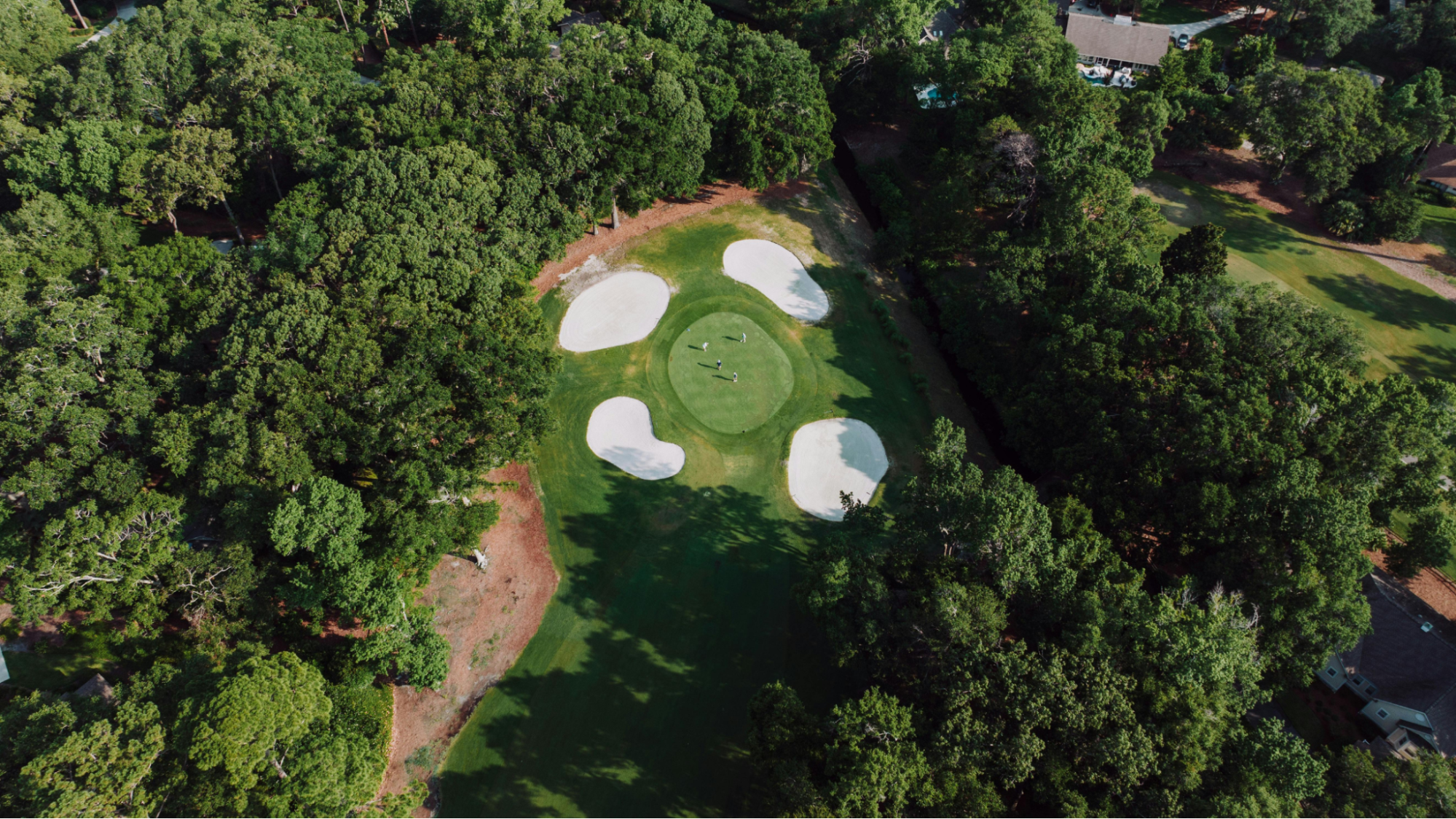
Understanding What Types of Golf Homes Are Right for You
For a golfer, buying a home in a golf community is one of the most meaningful decisions you'll ever make. It's not just a real estate transaction — it's a commitment to a way of life. You imagine stepping out of your front door with a bag over your shoulder, the course already visible through the trees, the morning light catching the dew on the first fairway. As an avid golfer, you imagine living somewhere where your passion for the game isn't a weekend escape, but the organizing principle of your entire daily environment.
But golf community living comes in many forms, and the differences between them matter significantly. The right golf home for you depends on the way you play, how you want to live, what kind of community you want to belong to, and how deeply you want the game woven into your everyday life. This guide walks you through the main types of golf properties available, the features that set each one apart, and the questions that help you find the property that fits your dream lifestyle.
What Is a Golf Home? Understanding the Landscape
A golf home is any residential property situated within or adjacent to a golf community — typically a master-planned neighborhood or resort development where the course defines the landscape, the lifestyle, and the community culture. But within that broad definition sits an enormous range of options: intimate fairway cottages and grand estate homes, active adult communities built around daily play, and private club enclaves where the membership is as exclusive as the address.
Before exploring the types, two distinctions shape everything that follows for lifestyle buyers.
Membership Type: Private, Semi-Private, or Resort
For a golfer considering a community, the most critical factor is the structure of course access. A fully private club guarantees members priority-course-access, consistent playing conditions due to limited use, and a strong, game-focused community culture. In contrast, semi-private and resort communities offer wider access; residents play alongside guests and visitors. And, while this can lead to busier tee sheets, it also fosters a more vibrant and socially diverse environment. Determining which dynamic aligns best with your personality and playing style is the essential first step in your decision-making process.
Course Frontage vs. Community Proximity
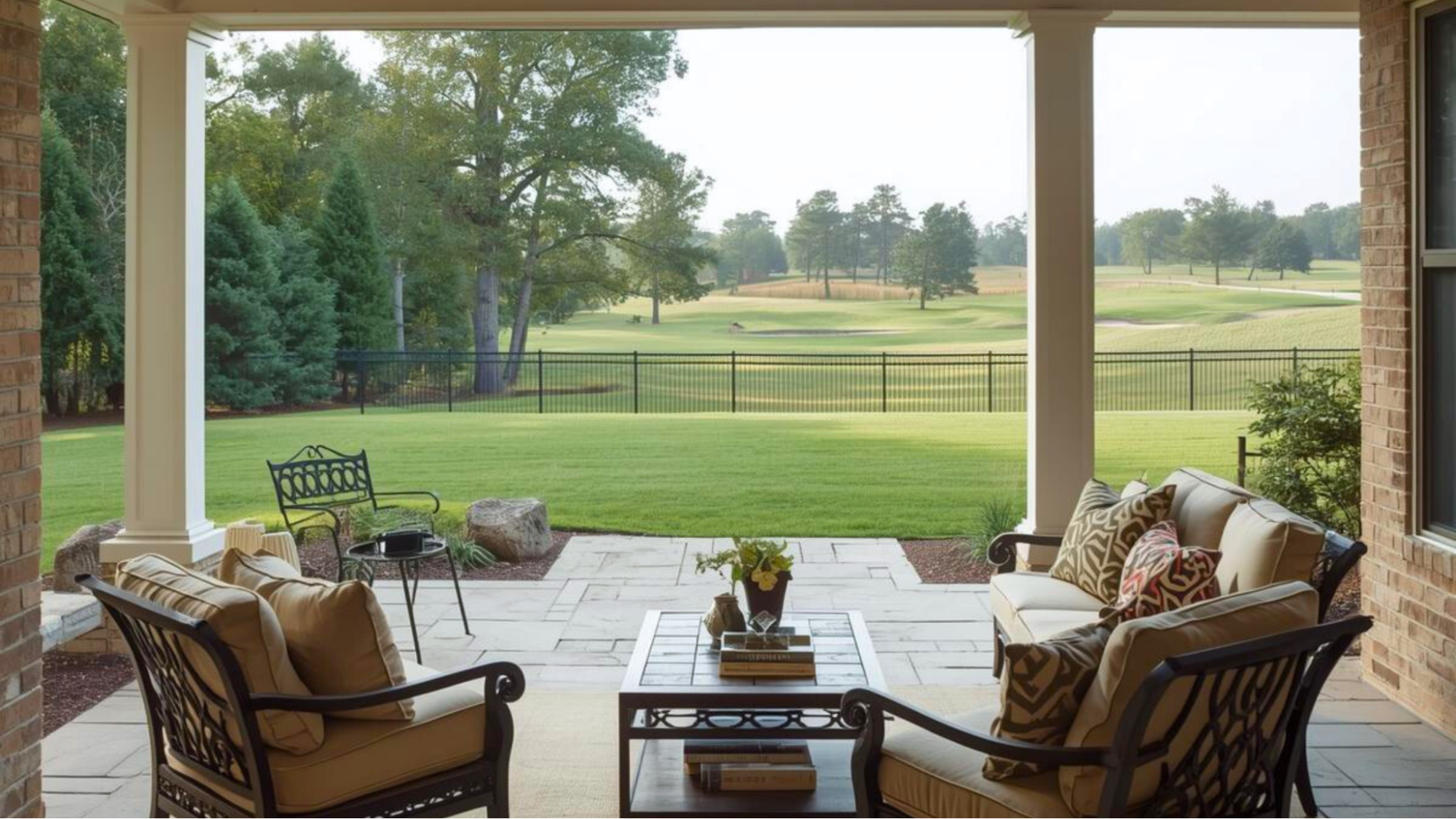
Homes with direct frontage on a fairway or green give you unobstructed views of the course from your own patio, the meditative pleasure of watching play from your garden, and the closest possible walk to the first tee. Community-location properties sit within the same neighborhood without direct course adjacency — often at a more accessible price point while still delivering full access to every amenity the community offers. Both are genuine golf homes; the difference is one of immediacy and immersion.
The Main Types of Golf Homes
Golf condos and villas offer the most accessible path into the golf community lifestyle and are often the perfect choice for golfers. Typically one to three bedrooms, these units are situated within larger resort or community complexes. They feature private patios or balconies overlooking the course and provide access to shared amenities. Crucially, they normally come with no exterior maintenance responsibilities. You can simply lock up and leave and things always look well kept.
This structure is ideally suited for serious golfers who spend peak season at their golf home and return to a primary residence during the off-season. Your time in the community is dedicated entirely to what matters: playing golf, enjoying the clubhouse, and living the resort lifestyle—free from yard work or sprinkler repair.
The key to success is choosing a complex within a community whose course and club culture genuinely resonate with you. A beautiful villa in the wrong community, such as one where the course conditions disappoint or the member culture is a poor personal fit, will never feel quite right. Before committing, be sure to visit, play a round, have lunch in the clubhouse, and talk to current residents.
Direct course or fairway views from the patio, proximity to the first tee and practice facilities, resort-grade pool and clubhouse, active social activities, a community culture that matches your style of play and socializing.
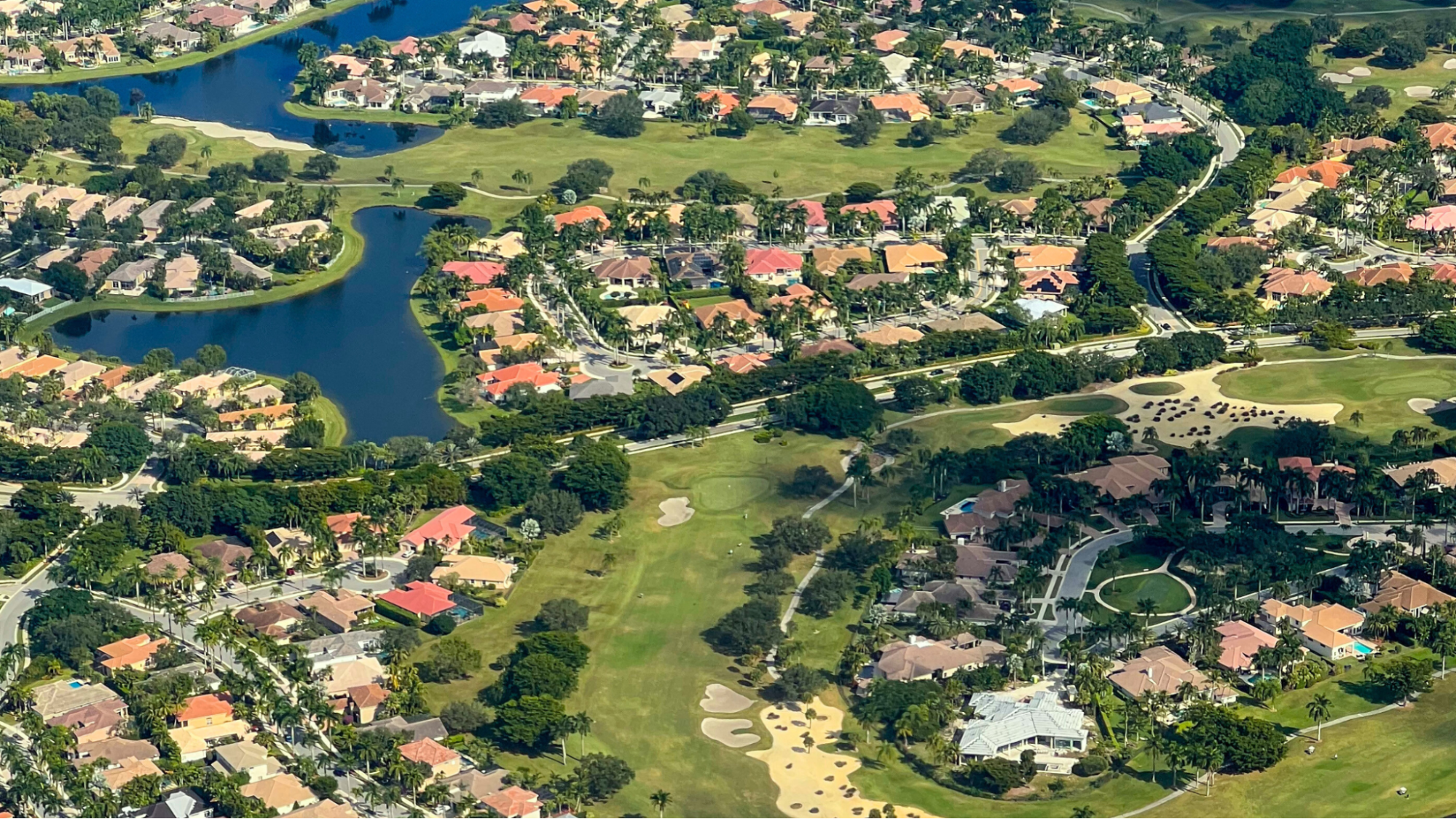
The single-family home within a planned golf community is where the golf lifestyle fully opens up. These homes can range from three-bedroom fairway properties to custom-built estates on signature hole. They immerse you in the community. Your children grow up with the course as their backyard. Your mornings begin with a walk to or around the range. Your neighbors share your passion for the game, and the community's social calendar is built around it.
Golf community homes deliver a quality of daily life that's genuinely different from any other residential environment. The open space and greenery of the course replace the density of conventional neighborhoods. The shared commitment to maintaining a beautiful environment produces a level of care and upkeep that lifts the entire community. And the built-in social structure of the club, the member events, the regular groups and tee times creates lasting friendships with a naturalness and speed that's rare in adult life.
For families, the golf community single-family home is particularly compelling. Children who grow up with course access often develop a love of the game organically. It starts when they begin hitting chips in the garden, playing their first round with a parent, eventually joining junior programs and competing with peers. It's one of the most effective ways to pass the game down through a family.
Fairway or course views, included or accessible golf membership, practice facilities close to home, strong junior golf program, community events and social calendar, excellent HOA that maintains common areas and course quality.
At the top of the golf property market sits the private club estate. It's usually defined by a substantial home within a gated, restricted-membership community centered on a prestigious private course. These are properties where the caliber of the golf matches the caliber of the address, where membership waiting lists are a badge of honor, and where the community of fellow members is as carefully cultivated as the turf on the fairways.
Private club estates are built around a very specific kind of golf experience: uncrowded tee sheets, immaculately conditioned courses, personalized service, and a membership that shares both a passion for the game and a commitment to the standards of the community. For golfers who play frequently, play seriously, and want the course to be a genuine expression of their standards rather than a convenient amenity, the private club environment is where the game is experienced at its best.
Beyond the golf, the culture of a great private club is something that takes years to develop and is, once established, one of the most valuable things in community living. Member tournaments, social events, reciprocal playing privileges at other clubs around the world, and the deep familiarity that comes from playing the same course with the same people across years and seasons. These are the intangibles that make private club membership something people protect fiercely and pass down through families.
Course designed by a recognized architect, strong and active membership culture, excellent practice facilities including short game area and simulator, distinguished clubhouse with fine dining, gated security, proximity to strong healthcare and retail infrastructure for full-time living.
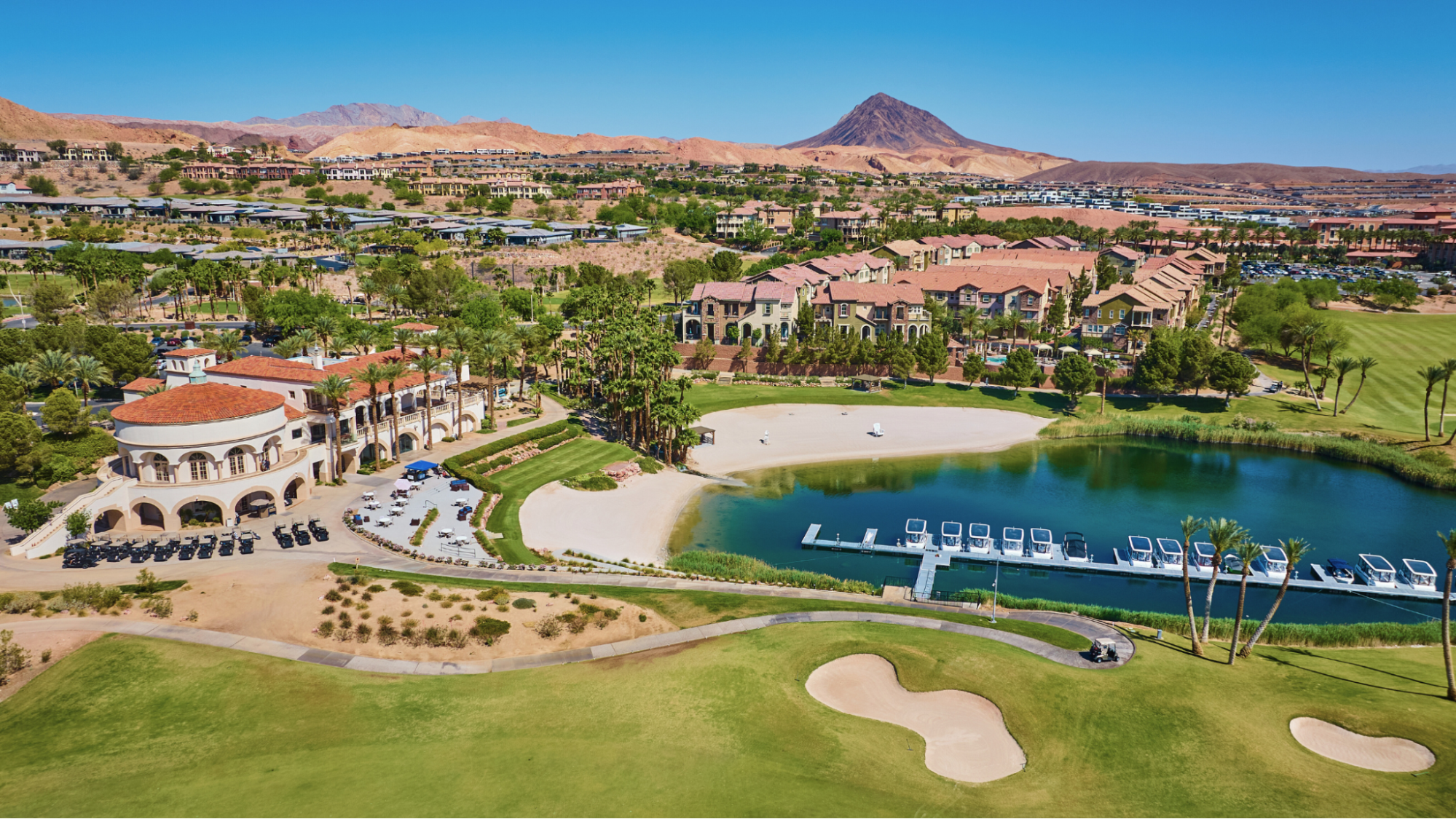
Resort golf community homes sit within destination developments that serve both permanent residents and visiting guests, creating a social atmosphere that feels consistently alive and energetic in a way that more insular private clubs sometimes don't. Communities like those around Pinehurst, Hilton Head's Sea Pines Resort, and Arizona's premier resort destinations blend resident community life with the energy of a world-class golf destination.
For golfers who want variety — multiple courses to rotate through, access to visiting professionals and organized golf events, and the ability to bring friends and family to stay and play — the resort community model is exceptionally well suited. You're not playing the same course in the same company every weekend; you're living inside a destination that people travel from around the world to experience, and you never have to leave to find it.
Resort communities also tend to invest heavily in their courses and facilities, driven by the need to attract and satisfy paying guests alongside residents. This means that course conditioning, clubhouse quality, and amenity standards are typically maintained at a level that benefits everyone who calls the community home.
Multiple courses within or adjacent to the community, strong on-property dining and hospitality, active events and tournament calendar, ability to host visiting guests easily, proximity to cultural and recreational amenities beyond golf.
The modern golf and active lifestyle community recognizes something important: even committed golfers don't play every day, and their families, friends, and neighbors have interests beyond the game. The best communities in this category use the golf course as the visual and spatial heart of the development while building a surrounding amenity package that creates a genuinely complete lifestyle environment.
Tennis, pickleball, swimming, fitness, walking trails, community gardens, dining venues, live events, wine clubs, and even book clubs — the golf and active lifestyle community is designed to ensure that every resident, regardless of whether they play golf at all, finds their days full and their social life rich. For buyers with non-golfing partners or families with children who range from avid golfers to dedicated non-participants, this model provides the broadest foundation for a happy community life.
Golf is the anchor and the reason you're there, but the life it anchors is wider and richer than the sport alone.
Diverse amenity mix with genuine quality across all offerings (not just golf), strong social and events schedule, excellent dining and fitness facilities, pedestrian-friendly layout that encourages daily use of all amenities, welcoming culture for residents at all stages of life.
Features That Matter Most for Golf Homeowners
Whatever type of golf property you're drawn to, the following features consistently make the biggest difference to daily quality of life for residents who live the golf community lifestyle.
Course Condition and Management
For people living in a golf community, the course's upkeep is key to their daily happiness. A course that looks great but isn't taken care of is a daily headache, but even a basic course that's in fantastic shape is a constant pleasure. Before you buy, do some serious digging into the course management team. Check out what members say over a few different seasons, and if you can, play a round when the weather isn't perfect.
Practice Facilities
If you're a golfer who wants to get better, easy access to great practice spots is important. When you're looking for a house, don't just focus on the course and the clubhouse—check out the practice facilities, too. You really want a driving range, a nice short game area, putting greens you can easily walk to, and an indoor simulator for year-round use (if possible). These things make a big difference in how often you can practice and how much you improve, especially when the weather is not ideal or it's the off-season.
Tee Time Availability
In the best communities, getting a tee time is a piece of cake. Members can usually count on hopping on the course, even if they decide to play last minute. But in bigger, busier, or resort spots, snagging a tee time at a popular hour can be a real battle. The best way to tell if a community is run well is by what residents honestly say about booking tee times—is it challenging or is it easy? Ask the people who live there or your agent; they'll give you the real scoop on what it's like to find a spot to play.
Club Culture and Social Life
The golf club's social culture is something you'll live inside every day, and finding a community where it genuinely fits your personality makes an enormous difference to how much you enjoy the life. Some clubs are formal and traditional; others are relaxed and casual. Some are intensely competitive; others are purely social. Visit on a weekday and a weekend, have a drink in the bar, watch how members interact with each other and with staff, and trust your instincts about whether this is a community you want to belong to.
Year-Round Playability
If golf is a central part of your daily life, the number of playable days per year in your community matters. Communities in Florida, Arizona, and the Carolinas offer ten to twelve months of consistent golf. Communities in the Northeast and Midwest offer spectacular summer golf but may deliver only five to seven months of reliable play. Knowing your personal threshold for off-season alternative activities (whether that's travel, other sports, or simply embracing the change of pace) helps determine whether a seasonal or year-round golf market best suits your lifestyle.
Golf community living usually begins in middle age and extends into retirement — and the best communities are designed with that arc in mind.
Questions to Ask Yourself Before You Buy
The best golf community home decisions begin with honest self-assessment. Before viewing a single property, spend time with these questions.
Find Your Golf Home on Golfhomes.com
Golfhomes.com brings together thousands of curated golf property listings across the country's finest communities, with detailed community profiles covering course quality, membership structure, amenity depth, and the kind of honest community character descriptions that help you find a place you'll love living in — not just a property that looks good on paper.
Start Your Search